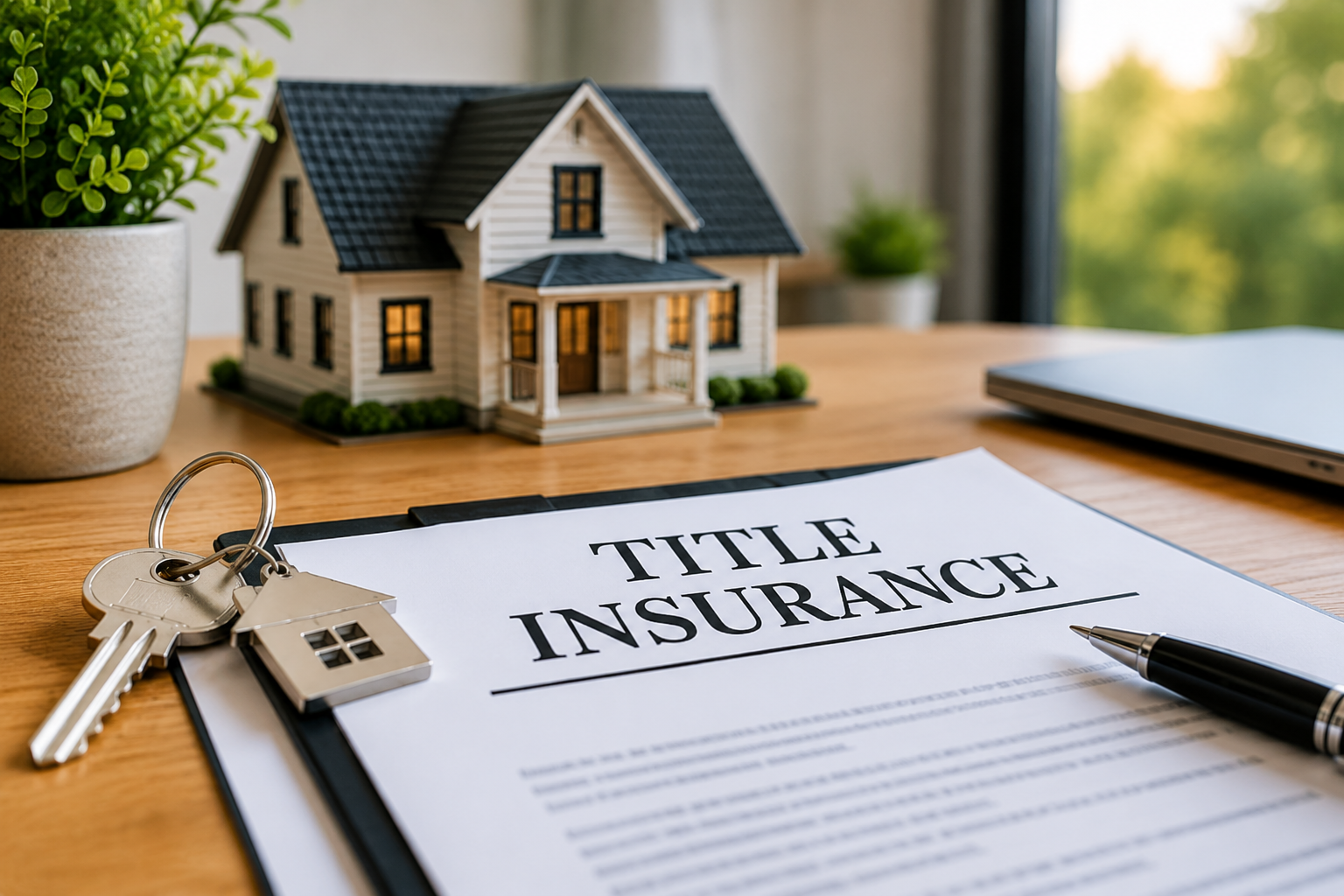
In simple terms, title insurance helps protect homeowners and lenders from certain problems connected to the property’s ownership or title that may not show up until after closing.
Title insurance is not required on every single purchase in Nova Scotia, however if a purchaser is using a mortgage to finance a property most lenders require the buyer to obtain a title insurance policy, and even if not required they are strongly recommended to add an extra layer of protection to the Buyer.
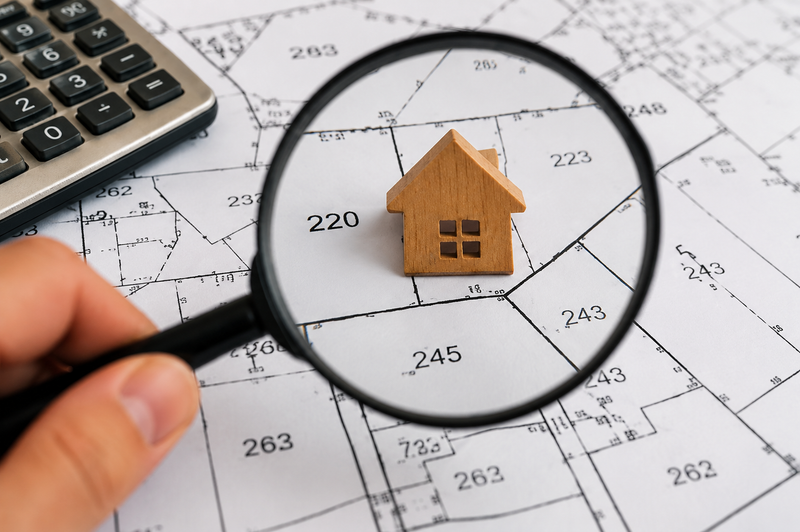
Why Do Mortgage Lenders Require It?
When a bank or mortgage company lends money to buy a home, the property becomes security for the mortgage. Because of that, lenders want protection against issues that could affect the ownership or legal title of the property. That’s why lender title insurance policies have become standard in many Nova Scotia real estate transactions.A lender’s policy covers the bank or mortgage company against things like unknown liens, title defects, fraud or forgery, registration errors, ownership disputes, etc.
What Does Title Insurance Actually Cover?
Coverage depends on the policy, but title insurance typically helps protect against:- title defects or paperwork errors
- unknown charge, encumbrance, or liens against the property
- fraud or forgery
- boundary or survey issues
- encroachments
- unpaid property taxes from previous owners
- Lack of right of access to the property
- or certain problems related to permits or past renovations
Lender Policy vs. Owner Policy
There are two different types of policies; lender and owner. When a mortgage lender requires title insurance, the policy is designed to protect the lender’s interest in the property, not the homeowner’s. The bank wants protection because the property is being used as security for the mortgage. If an issue involving title, fraud, liens, or ownership affects the property, the lender wants coverage protecting the money they’ve loaned.That doesn’t necessarily mean the homeowner is protected in the same way. An owner’s title insurance policy is separate and is intended to help protect the buyer’s interest in the property itself. If a covered issue is discovered after closing, such as an unknown lien, a boundary dispute, fraud, forgery, or a title defect, an owner’s policy may help cover legal costs or financial losses connected to that issue.
A lot of buyers assume they’re automatically covered because title insurance appears in their closing costs, but it’s always worth asking your lawyer exactly what coverage is being included and whether an owner’s policy is part of it.
In a typical transaction with a mortgage a buyer would want to include both a lender policy, and an owner policy. If a buyer is purchasing with cash and doesn’t require a mortgage, they would want an owner policy only.
Does Title Insurance Replace a Home Inspection?
No. Title insurance does not replace things like home inspections, sewer scopes, septic inspections, well testing, or radon testing. Those inspections are meant to evaluate the physical condition of the property and identify issues that may not be obvious during a showing.Title insurance is different. It’s designed to help protect against certain legal or title-related issues connected to the property that may only surface after closing. A home inspection helps you understand the condition of the home itself. Title insurance is there to help protect against certain problems tied to ownership, title, or property records.
How Much Does It Cost?
Title insurance is a one-time cost paid at closing. The exact amount varies depending on the property and the coverage selected, but compared to the overall cost of buying a home in Nova Scotia, it’s generally considered a fairly small closing expense.
The Bottom Line
Most buyers in Nova Scotia will come across title insurance during the closing process, especially if they’re financing their purchase. If an issue involving ownership, fraud, title defects, or boundary problems surfaces later, it can provide valuable protection and help cover legal costs.If you’re unsure whether an owner’s title insurance policy makes sense for your situation, it’s always worth having a conversation with your lawyer so you understand what’s covered before closing day.
If you’re planning to buy or sell a home in Nova Scotia and have questions about inspections, closing costs, or the overall process, we’re always happy to help walk you through it.
If you’re interested in learning more about other important inspections and considerations when buying a home in Nova Scotia, you can also check out our blogs on radon testing, sewer scopes, septic systems, and private wells.