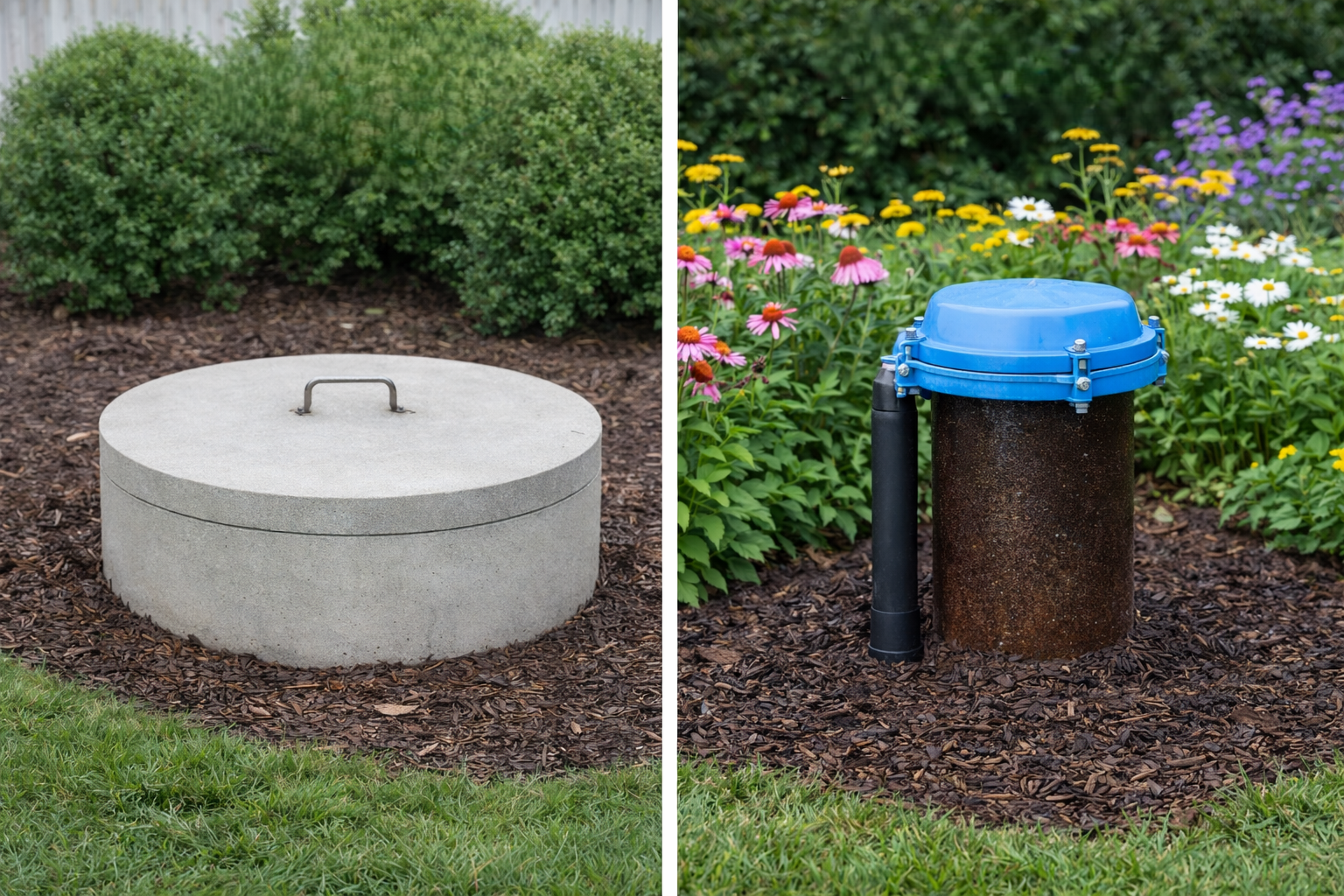
When homeowners are on municipal services often not much thought is put into the source of water - you just turned on the tap and voila. In Nova Scotia, homes with private wells are common, particularly in rural and coastal communities. In fact, approximately 46 percent of homes rely on private water systems, so when buying a home here, there is a good chance you will come across them.
When a home has a well, the buying process looks a little different. There are a few additional steps involved beyond a traditional home inspection. It is often a good idea to hire a qualified professional to assist with water testing and to evaluate the well’s flow and overall condition.
Water Testing
If the property you are purchasing has a private well, and you require a mortgage, most lenders will require a water quality test to confirm that the water is potable, meaning safe to drink . When a lender is providing a mortgage, they want to ensure the home does not have a health or safety issue that could affect its value. Essentially, they are protecting their investment. Sometimes title insurance will insure against a bad result, but we always want to ensure potable drinking water for our buyers.
There are several levels of water testing - bacteria only, bacteria and partial mineral alayiss, or bacteria and full mineral analysis.
Basic Potability Test
This is the most common test and the one lenders typically require. It tests for total coliform bacteria and E. coli. If those results are clear, the water is considered safe to drink from a bacterial standpoint. If the sample is taken from a reverse osmosis system (a tap usually found next to the kitchen sink), and that is the only water going to be used for drinking, it may satisfy a lender. If the reverse osmosis system is on the sink tap only and not hooked up to other taps, that means the main kitchen tap is safe, however water from other sources should not be consumed.
Expanded Bacteria and Mineral Testing
This type of testing looks at bacteria and partial mineral analysis. Nova Scotia has varied bedrock and soil conditions. In some areas, groundwater can contain higher levels of iron, manganese, and hardness. This can affect the taste of the water, cause staining on sinks and toilets, and impact the lifespan of appliances such as washing machines and dishwashers. It does not necessarily mean the water is unsafe, but it may mean a treatment system is needed to protect plumbing and appliances over time.
Comprehensive Water Testing
This type of testing looks at bacteria and a full mineral analysis. In certain areas of Nova Scotia, naturally occurring elements such as arsenic or other metals may be present in groundwater. Comprehensive testing provides a clearer understanding of what is in the water supply. This allows homeowners to make informed decisions about treatment systems that go beyond managing hardness, taste, or smell.
Although a basic bacteria test may satisfy a lender, expanded testing can provide a clearer picture of what is actually in the water. Even when water is safe to drink, knowing its mineral composition helps you understand what kind of filtration or treatment may be appropriate over time. If water results are present for any type of mineral that is outside of the acceptable range, you and your agent can consult with water treatment professionals to determine the best system and cost to make the water safe. Water filters and treatment systems are commonplace in Nova Scotia, and as a buyer you should not be nervous of this. As long as the system is in place to have clean and safe drinking water, that is okay.
For homeowners who want to understand long-term water quality considerations in Nova Scotia, provincial resources offer helpful background on naturally occurring minerals and groundwater conditions. https://novascotia.ca/nse/water/privatewells.asp

There are two common types of wells found in Nova Scotia: the dug well and the drilled well. Understanding the difference is important because they can perform differently during flow testing. A flow test measures how much water a well can produce over a period of time.
Dug wells are exactly what they sound like, they are dug into the ground. They tend to be wider and shallower than drilled wells. Because they are closer to the surface, they can be more influenced by seasonal conditions such as drought, heavy rainfall, or spring thaw.
Drilled wells are narrower and extend much deeper into bedrock. They access deeper water sources and are generally less susceptible to environmental influences, often providing more consistent flow.
A flow test typically involves running water continuously for a set period while measuring how much water the well produces. The goal is to see whether the well can maintain a steady supply without the water level dropping too quickly, and how quickly it recovers to its normal level. If a well does not recover quickly during a flow test, it may indicate that the well has a lower production rate. That doesn’t automatically mean the well is unusable, but it could mean that water usage needs to be managed more carefully during times of drought. In Nova Scotia flow tests are typically only performed on drilled wells.
In Summary
Neither type of well is necessarily better than the other. What matters most is understanding how the well is functioning and the quality of the water it is producing. Although owning a well can feel like a learning curve at first, many homeowners prefer it for the clean, refreshing chlorine free taste, and would not go back to municipal water.While you are having the system inspected, take the time to speak with the inspector. They are often a fountain of knowledge and can help you understand what to look for, what maintenance may be required, and how to properly care for the system over time.
Just as important is working with a local real estate agent who has experience with homes on private wells. Knowing when testing is required, what’s typical for the area, and how to interpret results can save a lot of unnecessary stress. If a well is part of the picture, having someone who understands the process and can help you ask the right questions can make the experience far more straightforward.