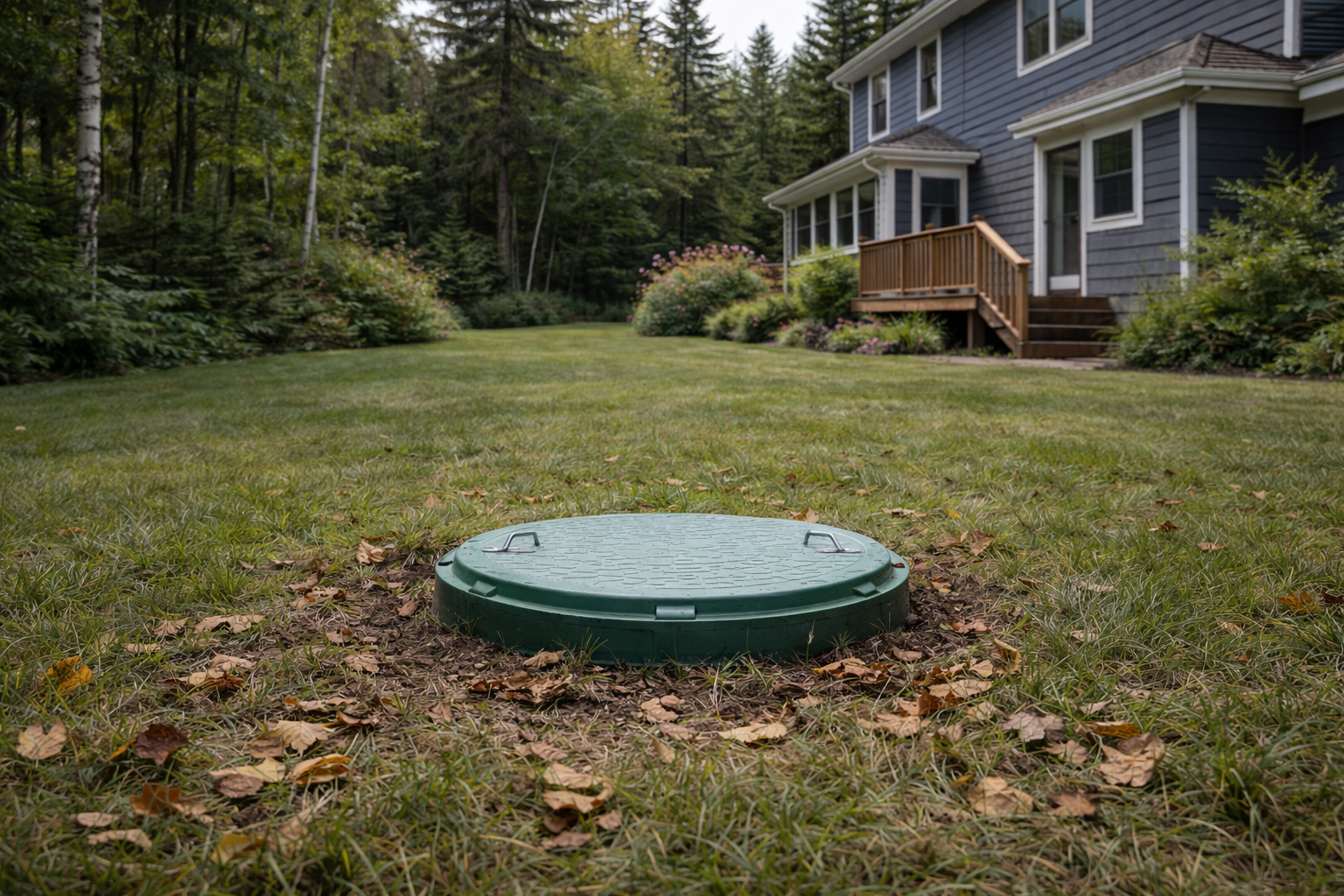
In Nova Scotia, private septic systems are common, particularly outside fully serviced urban areas, and they are a normal part of how many homes manage wastewater. How septic systems work is surprisingly effective, even if the details aren’t something most homeowners care to think about often.When buying a home with a septic system, the process looks a little different than purchasing a home that’s on municipal services. While the buying process follows a familiar path, there are a few additional things to consider beyond a traditional home inspection. Understanding how septic systems work, how they are evaluated, and what maintenance looks like can help buyers move forward with confidence.When purchasing a home, in addition to a regular home inspection, you will also need to book a septic inspection. Similar to purchasing a home with a private well, understanding how a septic system functions helps buyers make informed decisions. You can read more about wells here. Buying a Home with a Private Well in Nova ScotiaA septic system is a private, on-site wastewater system that treats household waste directly on the property. It is made up of two main components: the septic tank and the drain field. The Nova Scotia Department of Environment provides a helpful overview of how on-site sewage systems function and how they are regulated in the province. Wastewater Regulations and Technical Guidelines
What a Septic System Is
Wastewater flows from the home into the septic tank, where solids settle to the bottom and begin to break down. The remaining liquid, known as effluent, then flows out of the tank and into the drain field.
The drain field is a network of buried pipes or trenches designed to disperse the effluent into the surrounding soil. As the liquid moves through the soil, it is naturally filtered and treated before returning to the groundwater system.
Septic Inspections During the Buying Process
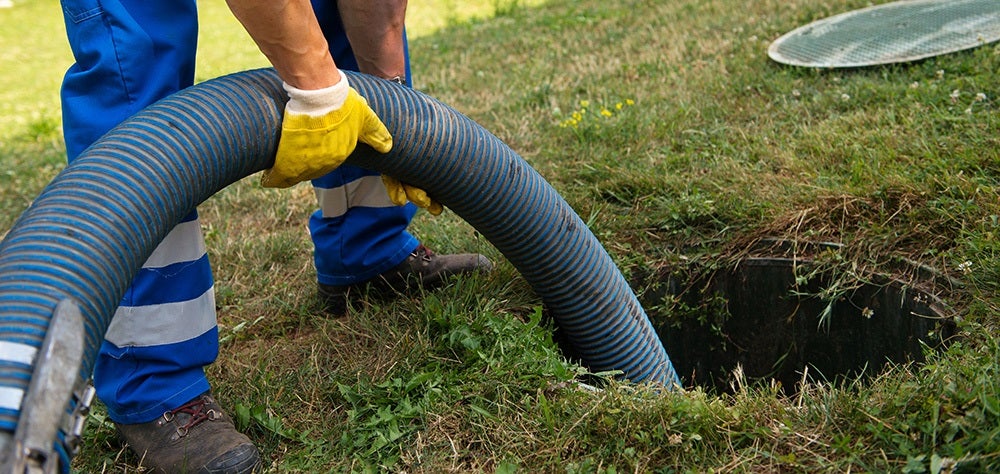
A qualified septic inspector will assess the system’s general condition, accessibility, and visible performance. This may include reviewing the age and type of system, confirming the location of the septic tank and drain field, and checking any accessible components such as cleanout ports or inspection covers.
Inspectors will use a camera or scope to review piping or components that are not visible from the surface. This can help identify blockages, damage, or other concerns that cannot be seen through a visual inspection alone. They will also often use a dye test to confirm the field is functioning properly.The inspector will document their findings in a written report, often supported by photographs and, in some cases, video footage. This report helps buyers understand the condition of the system, how it appears to be functioning at the time of inspection, and whether any follow-up or maintenance may be recommended. It is crucial that you get the inspection done prior to purchasing. If there is a problem with the system, it can be north of $30,000.00 to fix. If a problem is found during inspections, this can be negotiated with the Seller prior to firming the deal, or give the Buyer the opportunity to walk away from the purchase.
Maintenance and Ongoing Care
Septic systems do not require much in the way of routine care. With periodic pumping (every 3-5 years), mindful water use, and basic awareness of what enters the system, most homeowners find maintenance to be manageable.Septic systems rely on naturally occurring bacteria within the septic tank to help break down solid waste. These bacteria are a very important part of how the system functions. Everyday habits, including what gets flushed and the types of cleaning products used in the home, can make a huge difference.Items that do not break down easily, such as wipes, hygiene products should never enter the septic system. Those items and even excessive grease, can place unnecessary strain on the system. Similarly, while normal use of household cleaning products is generally fine, excessive use of harsh (for example bleach) or antibacterial cleaners can disrupt the bacteria the system relies on to function efficiently.For buyers new to septic systems, understanding these basic care considerations ahead of time helps avoid issues further down the road. Most of these practices are simple adjustments rather than ongoing maintenance tasks.
In Summary
Buying a home with a septic system is a common part of homeownership in Nova Scotia. Although it may feel unfamiliar at first, septic systems are generally reliable when properly maintained. With an inspection and a basic understanding of how the system functions, most buyers find the process easier than expected.Inspectors and service professionals can help explain how the system works and what to watch for over time. A little context goes a long way in making septic systems feel manageable and routine.Talk to your Realtor about who you should be using for an inspection, and if there is a problem that arises, your agent will connect you with a QP (qualified person) to better understand what the solution is to fix the problem.