It’s a naturally occurring gas you can’t see, smell, or taste. The upside is that testing is simple and inexpensive, and if levels come back high, they’re usually pretty straightforward to fix.
It’s worth treating radon the same way you’d treat a private well or septic system, something worth checking when you’re buying a home.
What Is Radon and Why Does It Matter in Nova Scotia?
Radon forms naturally in the ground from uranium in soil and rock. It can seep into homes through cracks in the foundation, around pipes, or through sump pits. Once inside, it can build up, especially in basements and lower levels.
Is radon high in Nova Scotia? Yes, Nova Scotia has higher-than-average radon potential in many areas because of our geology. According to a 2024 national radon survey, approximately 36.8% of homes in Nova Scotia are expected to have levels above Health Canada’s guideline of 200 Bq/m³ which is quite a bit higher than the national average of 17.8%.
You can see the general radon risk levels across the province on Nova Scotia’s official Radon Potential Map. It takes a moment to load, but it’s quite detailed and lets you zoom in on your specific area.
That said, your home’s radon level can be quite different from your neighbour’s next door and even two houses side-by-side can have very different readings. Radon entry depends on specific factors like soil, foundation cracks, ventilation, and how the house was built.
Radon levels also tend to be highest in the winter months (December to March), when homes are tightly sealed for heating. That’s why testing during the colder months usually gives the most accurate picture of year-round exposure.
The only way to know for sure what your home’s levels are is to test.It’s the second leading cause of lung cancer after smoking, but the risk is long-term and very manageable with proper testing and fixes.
How Do You Know If Your Home Has Radon?
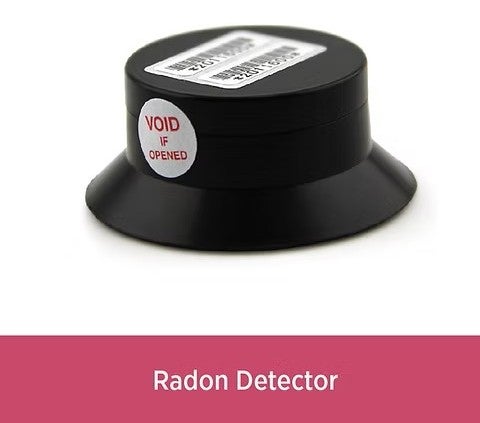
The only way to know is to test, and you have a few good options for testing.
- Do-it-yourself kits are quite affordable. You can buy them online directly from the Lung Association of Nova Scotia and Prince Edward Island (LungNSPEI) for around $55 (this includes lab analysis). They also sell kits at some home improvement stores like Home Depot and Canadian Tire, usually in the $15–$40 range (though you may need to pay extra for lab processing).
- Many public libraries across Nova Scotia participate in the Radon Detector Library Loan Program. With a library card, you can borrow a detector kit for 4–6 weeks at no cost which is a great low-cost way to test.
For home buyers who need faster results with less hassle, it’s often best to hire a certified radon professional. They can perform a short-term test during the inspection period and provide a detailed report quickly, which is helpful when you’re working within a purchase timeline.The quick tests during inspections aren’t as accurate as the longer tests, however, if the radon is high and it comes back high, this is an opportunity to negotiate the deal (including the price) with the seller.
What If Levels Are High?
If a test shows levels above 200 Bq/m³, there’s no need to panic. The vast majority of homes can be brought down to safe levels quite easily and affordably.
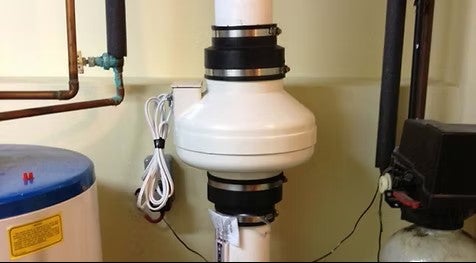
The most common and effective solution is a radon mitigation system, often called a sub-slab depressurization system. It involves installing a small pipe and a quiet fan that continuously pulls radon gas from beneath the foundation and safely vents it outside above the roofline. These systems are very reliable and they typically reduce radon levels by 80–99%.
In Nova Scotia, the cost for a standard home usually falls between $1,500 and $3,000, depending on the layout of the house and how accessible the basement is. Many newer homes are now built with a rough-in for radon mitigation, which makes installing a system later much simpler and less expensive.
If the cost is a concern, the Lung Association of Nova Scotia and Prince Edward Island offers the Radon Reduction Grant Program. Qualifying homeowners can receive up to $2,500 toward mitigation costs. The grant is available to lower-income households (generally under $100,000 combined household income) who provide proof of elevated radon levels and quotes from certified contractors. It’s worth checking to see if you qualify.
Once the system is installed, a follow-up test confirms the levels have dropped, and most systems come with a warranty.
Radon and Home Buying in Nova Scotia
When buying a home, radon is worth discussing with your inspector or a certified tester. While it’s not currently required in most purchase agreements, more buyers are starting to become aware of the possibility of radon and are considering testing, similar to how they handle wells and septics.
Sellers who have already tested and mitigated (or installed a rough-in) often see it as a positive selling point. It shows they’ve already dealt with it.
Bottom Line
Radon is more common in Nova Scotia than a lot of people realize, but the reality is it’s one of the more manageable home issues out there. A simple test gives you the information you need, and effective solutions are readily available if needed.
If you’re buying or selling a home in Nova Scotia and have questions about radon testing, local resources, or how it fits into the buying process, feel free to reach out, we are always happy to point you in the right direction or connect you with someone who handles this every day.
Here are a couple of other blogs that you might find helpful when looking for a home.