
Buying a home is exciting, but many buyers are surprised to discover that getting home insurance isn't always as straightforward as they expected.
Questions about oil tanks, hot water tanks, wood stoves, electrical systems, plumbing, and roofing can quickly add up, especially in older homes. If you're buying a home, renewing your policy, or reviewing your existing coverage, understanding what insurers are looking for can help the process go much more smoothly.
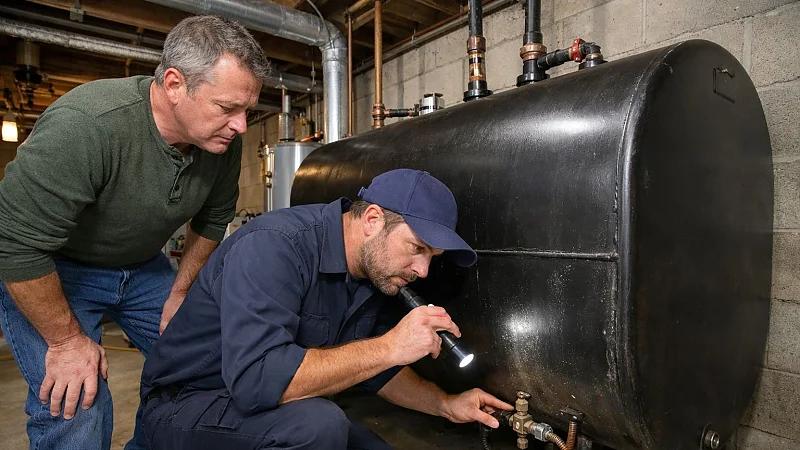
Oil Tanks: One of the Most Common Roadblocks
Oil heat remains common in many homes, particularly older and rural properties. Because oil leaks can be costly to clean up and may cause environmental damage, insurers often pay close attention to oil heating systems.Common questions include:
- What year was the tank manufactured?
- What material is the tank made from?
- Is it located inside or outside?
- What year was the furnace installed?
Why It Matters
Oil leaks can cause significant environmental damage and costly cleanup. Because of this, many insurers have age restrictions on oil tanks and may require older tanks to be replaced or inspected before offering coverage.While every insurance company has its own underwriting guidelines, steel tanks are often only covered for up to 10 years, while fiberglass tanks may be covered for up to 20 years. This often surprises homeowners, especially when some manufacturers suggest their tanks can last 30 years or more.
As a general homeownership tip, it's also a good idea to have your furnace serviced annually. Regular maintenance can help identify potential issues early, keep your heating system running efficiently, and may help avoid unexpected problems down the road.
Wood Stoves and Fireplaces
Wood stoves are an excellent (and affordable) heat source, but they also raise questions for insurers.You may be asked:
- When was the chimney last cleaned?
- How much wood is burned each year?
- Who installed the wood stove?
- When was it installed?
- Is there a current WETT certified inspection?
Mini-Split Heat Pumps
Mini-split heat pumps have become increasingly popular because they're energy efficient and provide both heating and cooling. However, many homeowners are surprised to learn that some insurance companies do not consider a mini-split heat pump to be a home's primary heat source.As a result, insurers may require the home to have an additional permanent heat source, such as a furnace, boiler, or electric baseboard heating, before they provide coverage.
If you're buying a home that's heated primarily with mini-split heat pumps, it's worth discussing the heating system with your insurance broker early in the process. Requirements can vary between insurance companies, and it's much easier to address any concerns before closing.
Electrical Panels and Wiring
Electrical systems are another area insurance companies pay close attention to, particularly in older homes.Questions may include:
- What type of wiring is in the home?
- Is the home equipped with a breaker panel or an older fuse panel?
- How large is the electrical panel?
- Have there been any recent electrical upgrades?
- When was the system last updated?
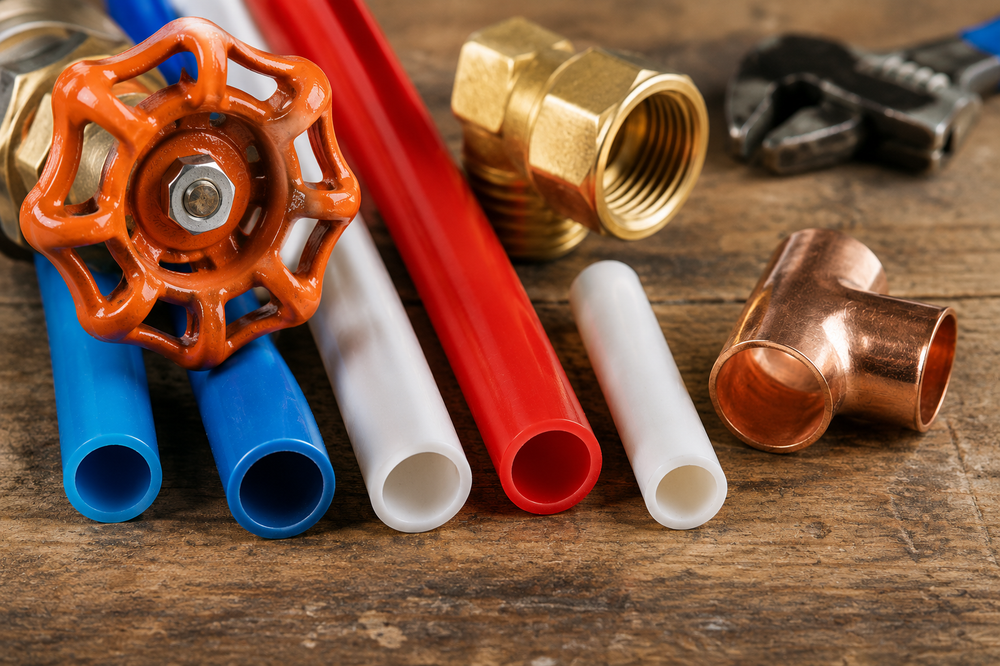
Plumbing, Poly-B, Kitec, and Water Protection
Water damage remains one of the most common causes of home insurance claims, so insurers often want a clear picture of a home's plumbing system.Common questions include:
- What type of plumbing is in the home?
- Has the plumbing been updated?
- Is there a sump pump?
- Is there a backwater valve?
This is one reason a thorough home inspection is so important. Identifying the type and condition of a home's plumbing early in the buying process gives you time to discuss any concerns with your insurance company before conditions are removed.
Roofs, Pools, Solar Panels, and Other Features
The condition and age of a roof can also influence coverage.Insurance companies may ask about:- Roof age
- Roofing materials
- Solar panels
- Detached structures
- Pools or hot tubs
- Home-based businesses
Questions Worth Asking Your Insurance Company
While you're answering questions about your home, it's worth asking a few of your own.Consider asking:
- Do I have sewer backup coverage?
- Do I have overland flood coverage?
- What types of water damage are covered?
- Am I covered for wind damage?
- Are there any exclusions I should know about?
- Do I have enough coverage to rebuild my home at today's construction costs?
- Are there limits on jewellery, artwork, collectibles, or other valuables?
- What are the most common claims you see in my area?
A Simple Step That Can Save Time
If you're buying a home, ask your home inspector to document details about the oil tank, wood-burning appliances, electrical system, and plumbing.Having that information available early can make conversations with your insurance broker much easier and help avoid delays or surprises later in the process.
Final Thoughts
Home insurance is one of those things most of us set up and then rarely think about again.A quick review of your coverage every few years can help ensure it still reflects your home, your lifestyle, and today's rebuilding costs.
The best time to discover a gap in coverage is before you need to make a claim. A few questions today could save a lot of frustration tomorrow.
Looking for More Homeowner and Home-Buying Insights?
Insurance is just one piece of the puzzle when it comes to buying, owning, and protecting a home.You may also find these articles helpful:
If you're buying a home and have questions about insurance requirements, inspections, or other property-related concerns, we're always happy to point you in the right direction. Sometimes a quick conversation can help you avoid surprises later on.