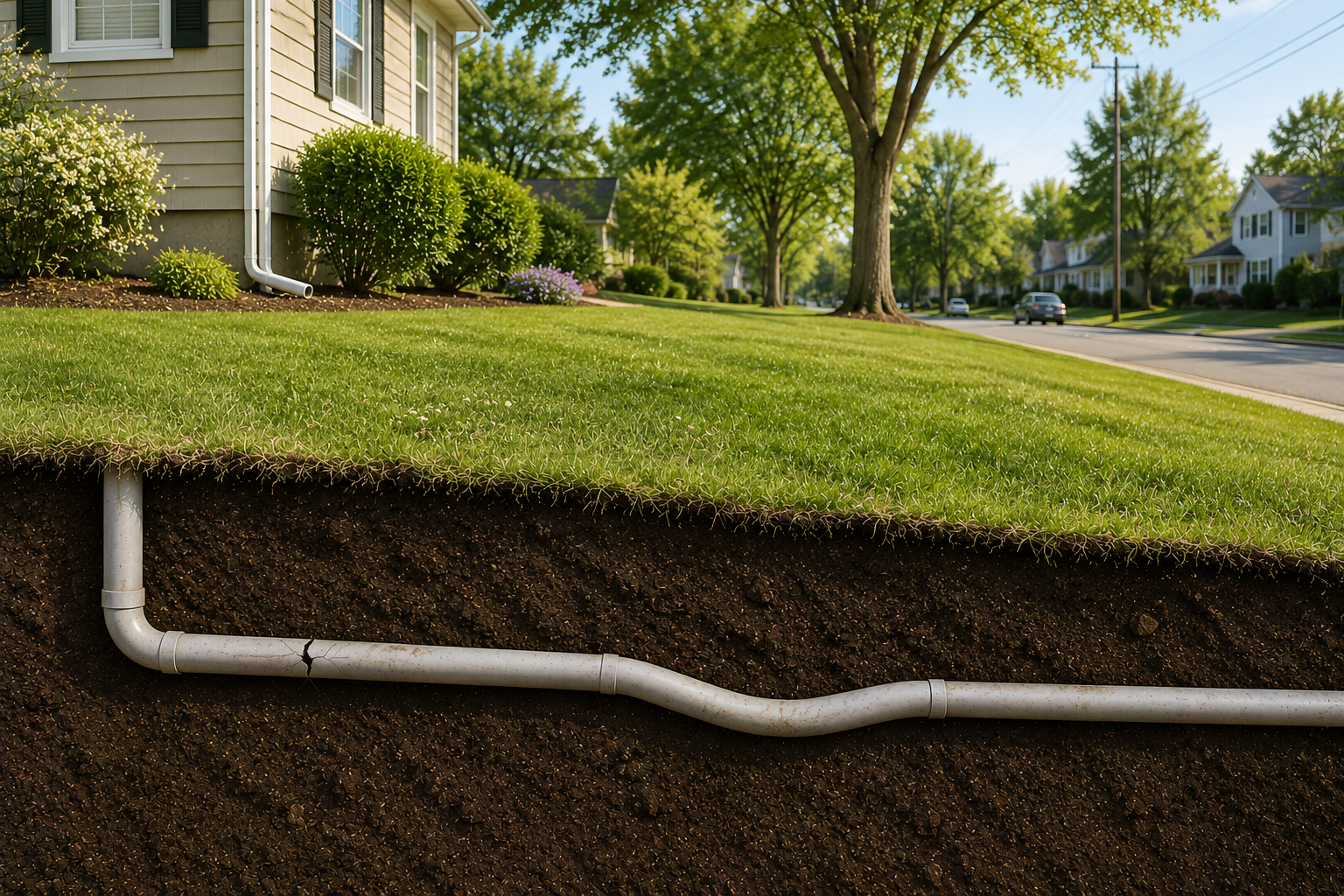
Without a sewer scope, there is no way to tell the condition of the pipes underground connecting the home to the municipal sewer lines.
What Is a Sewer Scope?
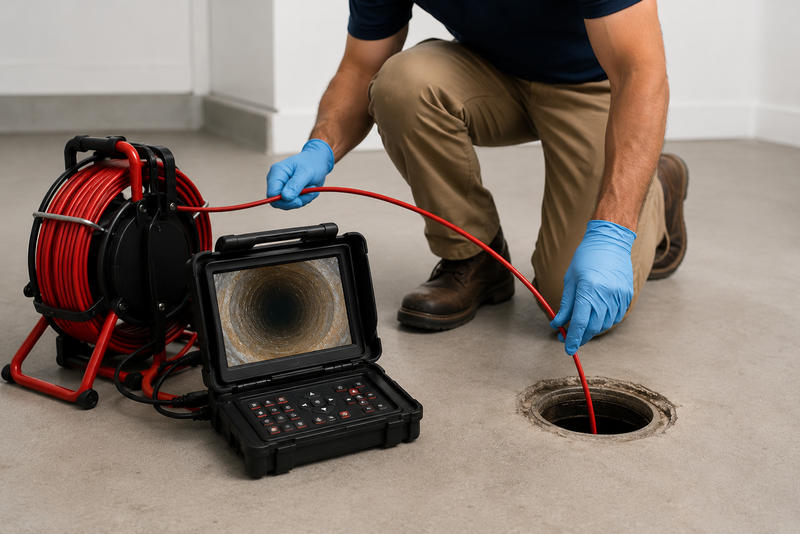
A sewer scope involves sending a specialized camera through the home's sewer line to inspect the pipe running from the house to the municipal sewer connection.It's typically completed by a plumbing company and is separate from a standard home inspection.The camera allows inspectors to look for things like:
- tree root intrusion
- cracked or separated pipes
- corrosion in older cast iron lines
- sags or dips in the line which could cause a backup
- standing water
- blockages
- or signs the sewer line may be compromised underground
Why It Can Matter Financially
Most sewer lines are completely fine. But when there is a problem, repairs can become expensive fairly quickly. In some situations, identifying an issue during the inspection period may allow buyers to negotiate repairs or credits with the seller before closing, potentially saving thousands of dollars later on.The type of repair depends on the condition of the sewer line itself.
If the pipe is still structurally sound and relatively straight, it may sometimes be possible to install a liner inside the existing pipe without major excavation.
But if there's a major sag, a collapse, or damage beyond what a liner can repair including tree root intrusion, excavation may be required. Costs can increase significantly if the sewer line runs beneath:
- driveways
- retaining walls
- decks
- landscaping
- or other structures that may also need repairs afterward
What Happens if a Sewer Line Is Compromised?
The severity can vary depending on the condition of the pipe.Some issues are relatively minor and manageable. Others can eventually lead to:
- recurring drainage problems
- sewage backups into the home
- standing water inside the pipe
- unpleasant odours
- or sections of pipe failing underground
What About Backwater or Check Valves?
During a sewer scope or plumbing inspection in Halifax and other parts of Nova Scotia, plumbers may also note whether the home has a backwater valve (sometimes called a check valve). These valves are designed as an added layer of protection against sewer backups. They allow water and waste to flow out from the home into the municipal sewer system, but help prevent sewage from flowing back into the house if municipal lines become overwhelmed during heavy rain or storm surges.In simple terms, it's a one-way valve for the sewer line.This can be especially important in some older Halifax or Dartmouth neighbourhoods where aging infrastructure and heavy rainfall can occasionally put added pressure on municipal sewer systems.
Not every home in Nova Scotia has a backwater valve, particularly older properties, but it can be another useful piece of information when evaluating the overall sewer system and understanding what protections may already be in place.
Does Every Home Need a Sewer Scope in Nova Scotia?
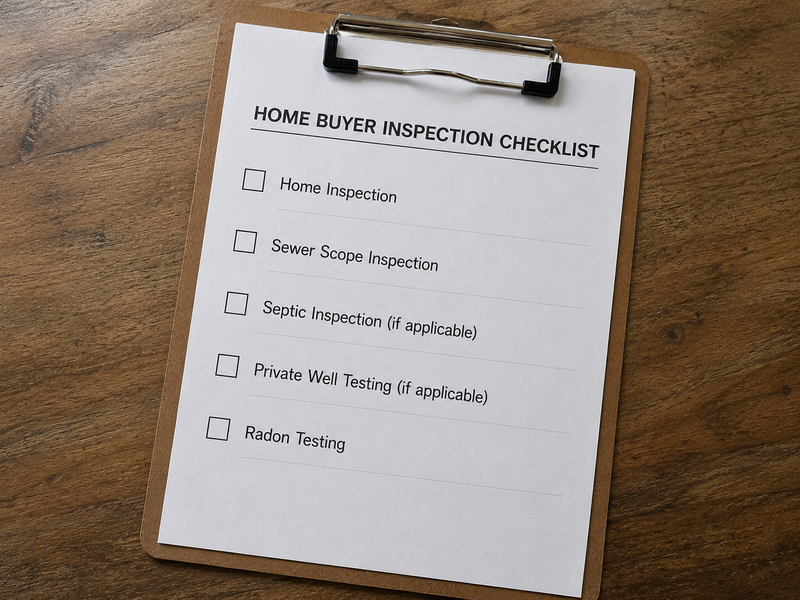
In short, yes. Both older homes and new construction can have issues. With older homes, the risk is deterioration, tree roots, and aging infrastructure. However, in new construction, if the line is not installed properly there can be a significant sag, and we have encountered this previously with buyers.A sewer scope is really no different than testing a private well, checking a septic system, or doing radon testing. It's another way to gather information before making a major investment.
The Bottom Line
A sewer scope isn't about creating fear, it's about understanding what's happening underground before you buy.
For many buyers, especially those purchasing older homes connected to municipal sewer systems in Halifax, Dartmouth, Bedford, Sackville, Truro, and communities across Nova Scotia, it can be a smart piece of due diligence that helps prevent expensive surprises later on.
If you're buying a home and aren't sure whether a sewer scope makes sense, we're always happy to walk you through when we typically recommend one and what inspectors are usually looking for.
If you're interested in learning more about other inspections and considerations when buying a home in Nova Scotia, you can also check out our blog on radon testing and why it's becoming more common during home inspections.