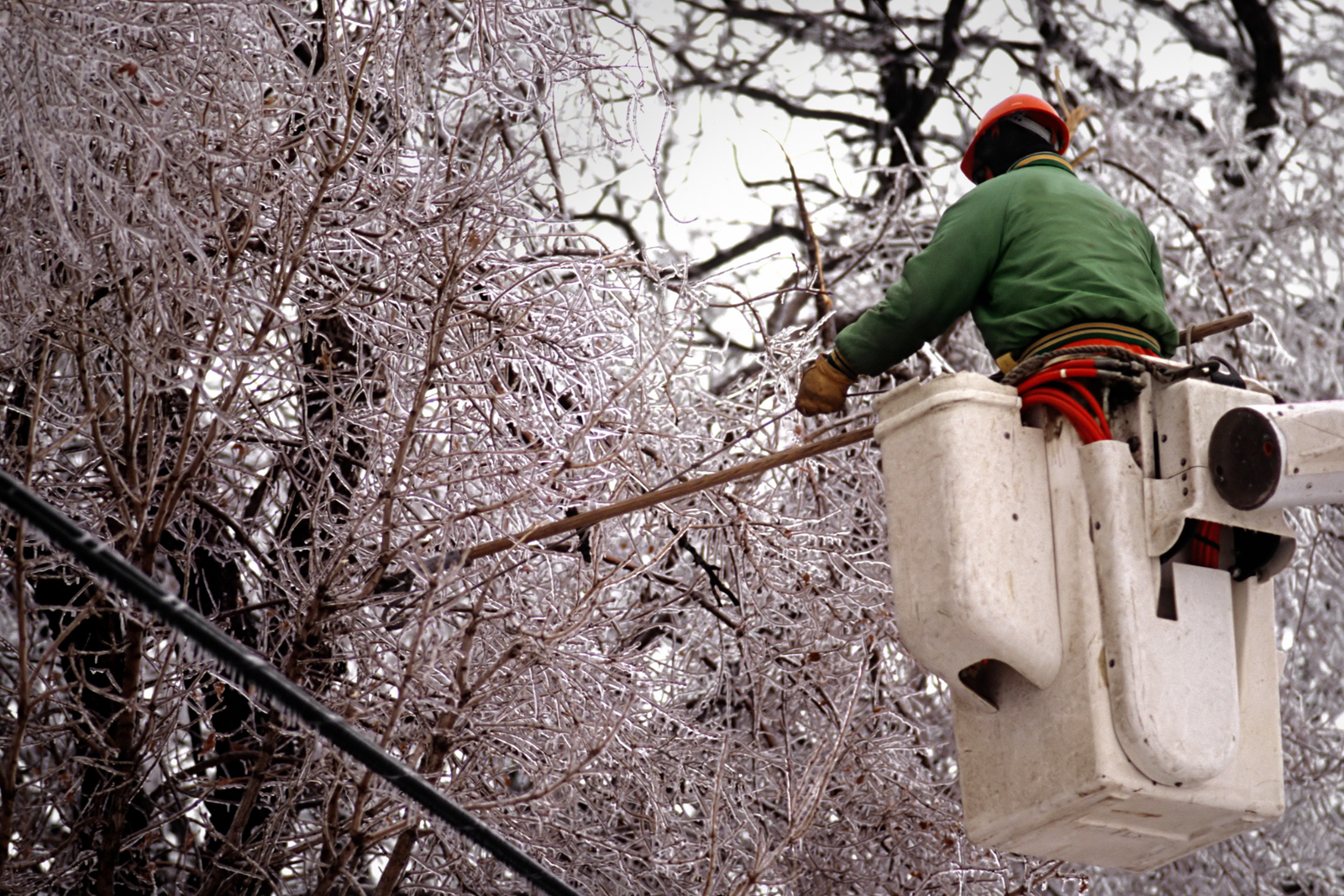
If you've lived in Nova Scotia for a while, chances are you've experienced a winter power outage. Sometimes it's just a few hours, but when freezing rain, snow, and high winds roll through, it can be a lot longer.
Most of us know the routine. Check the weather forecast, charge our phones, find the flashlights and, of course, pick up the storm chips.
But once the snacks are sorted, there are a few other things worth thinking about especially when it's the middle of January and the temperature outside is well below freezing.
Keeping Warm When the Heat Goes Off
First, think about how your home is heated. Heat pumps, electric baseboards and even many oil-fired heating systems need electricity to operate.If you have a wood stove or another suitable backup heat source, make sure it's maintained and ready to use before winter arrives.
One way to make things more comfortable during an outage is to gather everyone in one room. Close the doors to unused rooms, bring in extra blankets and concentrate on keeping one space warm rather than trying to heat the entire house.
Just remember that the rest of the house can still get cold enough for pipes to freeze, particularly in basements, crawl spaces, and along exterior walls.
If you don't have a safe way to heat your home and temperatures are dropping, make arrangements to stay somewhere warm rather than trying to tough it out.
Fill the Bathtub Before the Storm
If your home has a private well, losing power usually means losing your water supply once the remaining water pressure runs out.Before a storm, fill the bathtub with water for flushing toilets. It's a simple precaution that can make a big difference if the power stays off for a day or two. Keep a separate supply of clean drinking water for cooking, drinking, and brushing your teeth.
If you have a septic system with an electric pump, be careful about how much water you use during an outage. The pump may not be operating and continuing to flush or drain water could cause problems.
Don't Wait Until the Power Goes Out to Check Your Generator
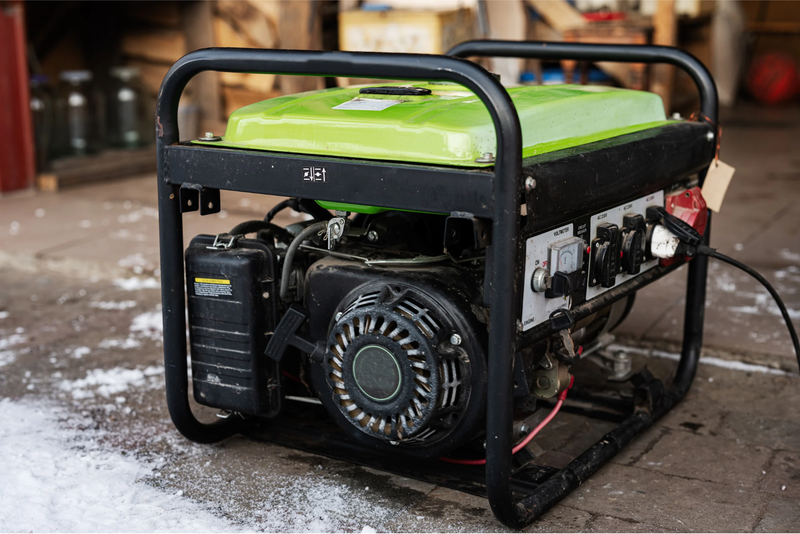
If you have a generator, make sure it actually starts before you need it.Run and maintain it according to the manufacturer's instructions and consider checking it more frequently as winter approaches. Gasoline left sitting in a generator for months can cause starting problems, so pay attention to fuel age and storage recommendations.
Check that you have enough fuel before a storm, too. Finding an open gas station during a widespread outage isn't always easy.
And a reminder about safety: portable generators must be operated outdoors, well away from windows, doors, and vents. Never run one in a garage, even with the door open, and never connect it to your home's wiring through an ordinary electrical outlet.
A Few Things Around the House Worth Checking
Sump pumps: If your basement relies on an electric sump pump, it won't work without power unless you have a backup battery. That's particularly important when a winter storm brings heavy rain or melting snow.Frozen pipes: Know where your main water shutoff valve is and make sure you can reach it. If the house becomes too cold, plumbing may need to be shut off and drained before you leave. A plumber can advise you on what's appropriate for your system.
Garage doors: If you have an electric garage door opener, familiarize yourself with the manual release before you need it.
Gutters and drains: Clear leaves and debris before winter so melting snow and rain can drain away from the house.
When the power returns: If you've been using a generator, follow the proper shutdown procedure. Check for signs of frozen or leaking pipes, especially if the house has become very cold. Never use an open flame to thaw frozen pipes.
What About Food?
A fridge full of groceries isn't much help if you can't cook anything, so keep a few meals or snacks on hand that don't require heating.A thermos filled with hot water before the storm can also come in handy.
Try not to open the refrigerator and freezer unnecessarily. An unopened refrigerator will generally keep food cold for about four hours. A full freezer can maintain a safe temperature for approximately 48 hours, or 24 hours if it's half full, provided the door stays closed.
Have you heard of the frozen penny trick? Freeze a small cup of water and place a penny on top of the ice. If it has sunk into the ice, you'll know that some thawing has occurred and the water has refrozen.
If you have extra space in your freezer, freeze a few bottles of water ahead of a storm. They'll help keep the contents of your freezer colder for longer and can also be used as ice packs in your refrigerator if needed. Just remember to leave a little room in the bottles for the water to expand as it freezes.
While the penny trick can indicate whether thawing has occurred, it doesn't tell you whether your food is safe to eat. If you're unsure how long your food has been without adequate refrigeration, follow food safety guidance rather than taking a chance.
Government of Canada - Food and drinking water safety in an emergency.
The Little Things You'll Appreciate
You don't need to spend a fortune putting together emergency supplies. A few basics can make a long outage much easier.- Flashlights or battery-powered lanterns, including one beside the bed
- Spare batteries and a fully charged phone power bank
- Drinking water and food that doesn't need cooking
- A manual can opener
- Blankets, warm clothing and sleeping bags
- Prescription medications and supplies for pets
- A battery-powered or wind-up radio
- Some cash in case electronic payment systems aren't working
- Board games, cards, puzzles or colouring books to keep the kids entertained when the Wi-Fi is down
Nova Scotia's Emergency Management Office recommends having enough supplies to manage for at least 72 hours.
Thinking About Buying or Selling?
When buying a home in Nova Scotia, it's worth understanding how its heating, water and other essential systems work, particularly during a power outage.Whether you're looking for your next home or preparing to sell, we're happy to answer your questions and help you through the process.You can also explore our other blogs below for more practical information about homes and real estate in Nova Scotia.